




Your Headphones Should Survive Everything Your Run Does.
Most headphones come with a list of things you can't do while wearing them. Can't get them wet. Can't wear them in freezing temperatures. Can't drop them in a puddle. Can't take them in the pool. Every limitation is a run you have to plan around.
Bonic is built the other way. IPX8 waterproofing. Silicone construction that stays flexible in sub-zero conditions. A frame that won't crack, freeze, or cut your skin — no matter what season, what weather, or what terrain you're running through.

Why Most Headphones Fail Outdoor Runners.
The running headphone market is built around conditions that don't reflect how most runners actually train. Most products are tested for moderate indoor use — not for a Tuesday night run in November sleet, a summer trail in heavy humidity, or a morning swim followed by a cold commute.
Bonic utilize silicone cover and IPX8 certification address all three failure modes — cold-weather flexibility, full submersion waterproofing, and cleanability — in a single product built for daily outdoor use.
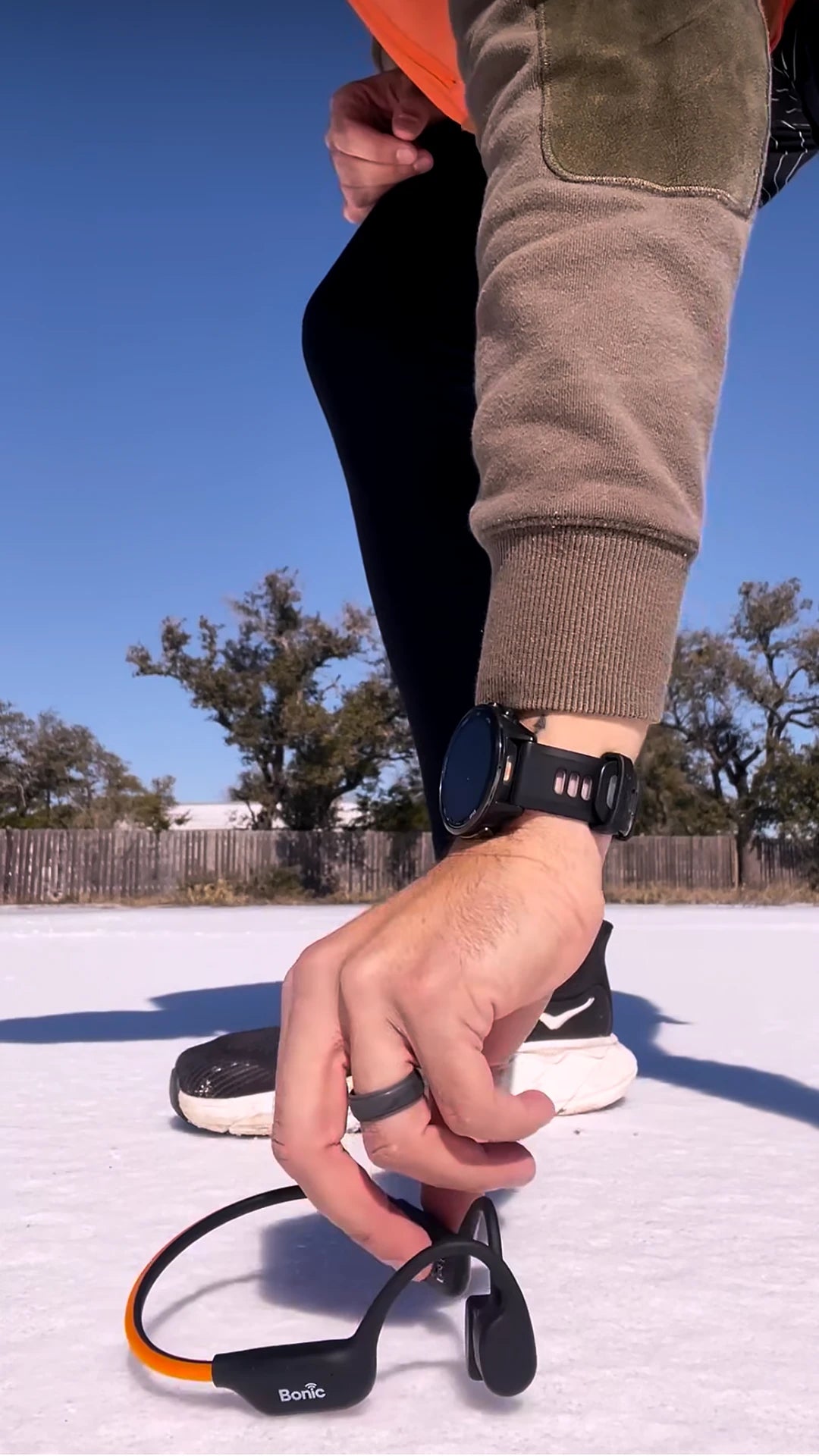
Plastic and metal crack or deform in cold weather
Most headphone frames are made from ABS plastic or metal alloys. Both materials behave predictably in warm, dry environments. Both fail in cold ones.
Material studies show that standard plastics become brittle in cold temperatures — exhibiting significant increases in hardness and reductions in elongation at break that make them prone to cracking under the stress of wear and movement. [2]
In controlled outdoor exposure tests, common plastic materials showed cracking rates as high as 30–40% after five years of sun, UV, and temperature cycling — a process that accelerates sharply in cold climates. [3]
When plastic headphones crack against your skin in freezing weather, the result isn't just equipment failure — it's a sharp edge pressed against your temple or ear, mid-run.
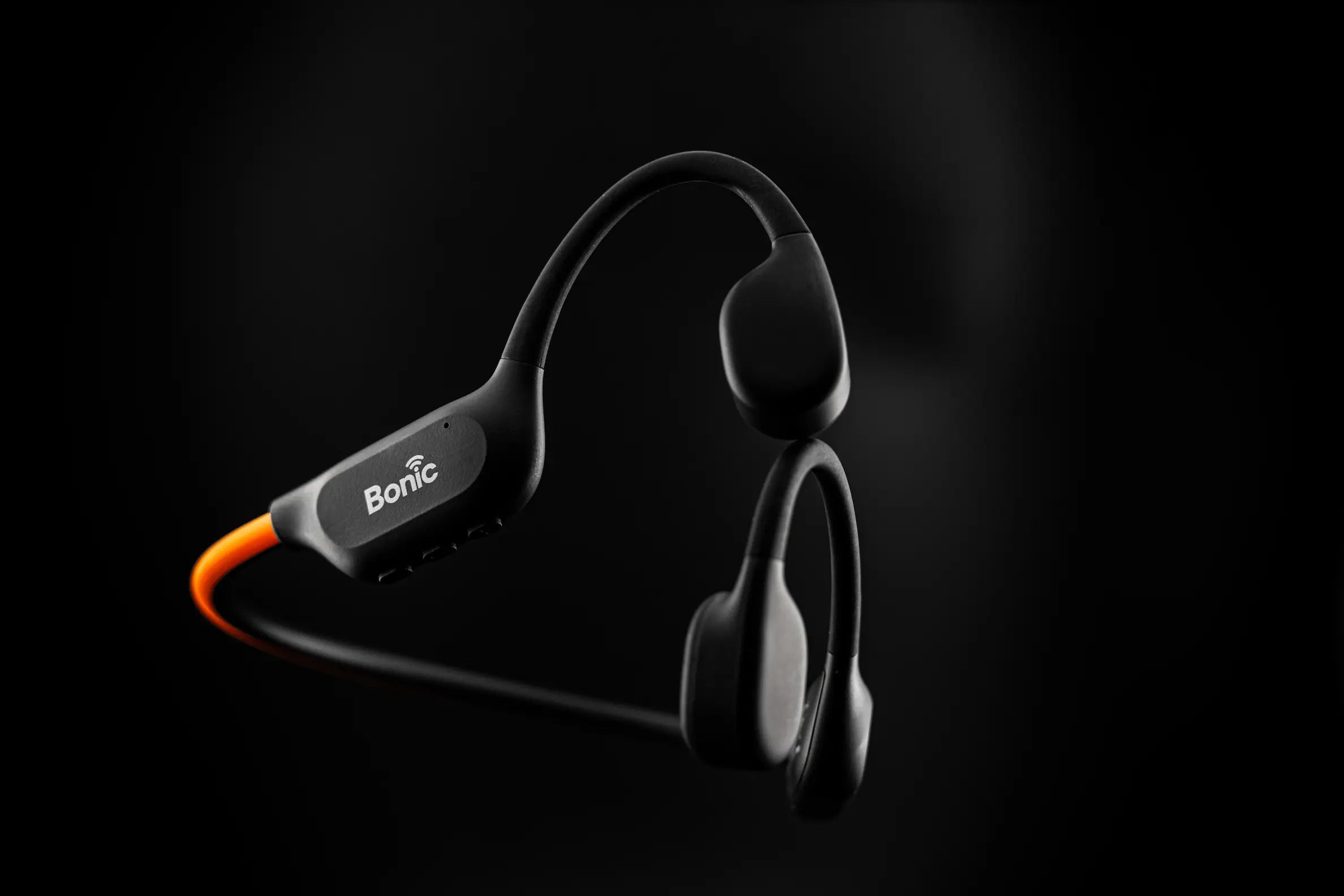
Standard waterproof ratings don't reflect real-world running.
IPX4 means splash-resistant. IPX6 means jet-resistant. Neither rating covers submersion — which means neither covers a trip through a creek, a pool lap, or the full force of a horizontal downpour at running pace.
The international standard IEC 60529 defines IPX8 as the highest waterproofing classification — covering continuous submersion in water at agreed-upon depth and duration. IPX7 and below do not meet this bar. [1]
Only IPX8-rated devices are tested and certified for prolonged submersion — the only standard that covers full-body water exposure from swimming, water crossings, or use in conditions where immersion is unavoidable. [1]
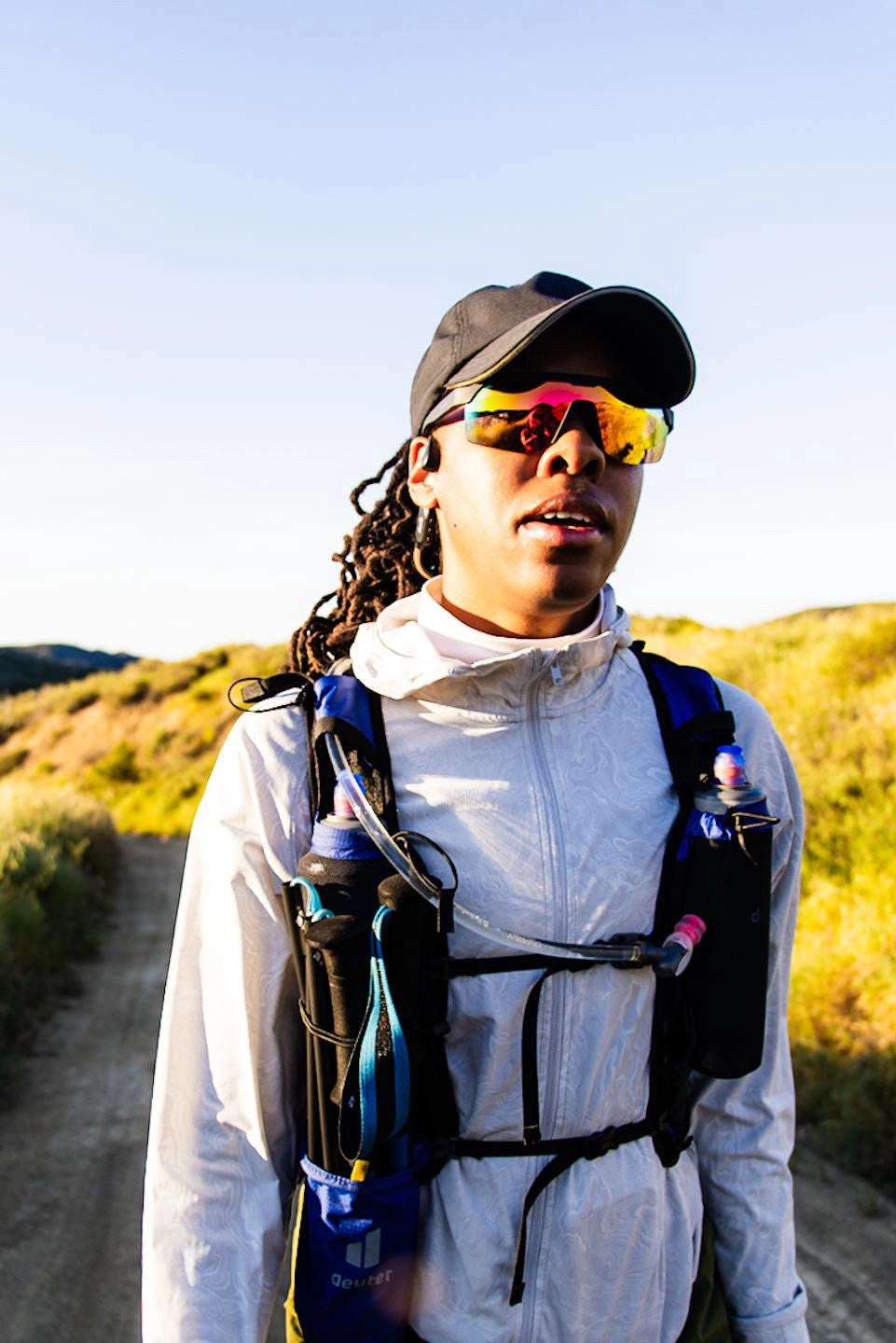
Most headphones aren't designed to be cleaned
After a long run — especially in heat, humidity, or on a dusty trail — your headphones carry sweat, salt, sunscreen, and environmental debris. Earbuds go back in a case. Sealed headphones get wiped down at best. Neither can be rinsed under a tap without the risk of water damage.
With Bonic's IPX8 waterproofing, you can hold them under a running tap, rinse off after a trail run, wash them after a swim, and dry them without any concern for electronics or structural integrity. Gear that can be cleaned is gear that lasts.
What Bonic Is Built From — and Why It Matters.
IPX8 — The Highest Waterproof Standard
IPX8 is the top tier of the international IEC 60529 waterproofing classification. It means continuous submersion, not just splash resistance. Bonic meets it — so rain, sweat, a river crossing, and a full pool lap are all inside the spec. [1]
Silicone cover — Stays Flexible in Freezing Conditions
Silicone remains flexible at temperatures as low as -65°C (-85°F). In the same conditions where plastic becomes brittle and cracks, silicone simply bends. For runners in cold climates, that's the difference between gear that works and gear that breaks — potentially against your skin. [2]
UV and Ozone Resistant— No Degradation Over Time
Standard rubbers and plastics degrade under prolonged UV and ozone exposure — hardening, fading, and cracking over months of outdoor use. Silicone's molecular structure resists both, retaining flexibility and integrity across years of sun exposure without surface breakdown. [3]
Rinse-Ready at the Tap
IPX8 certification means Bonic can be held under a running tap and rinsed clean after every session. Trail dirt, sweat residue, and environmental debris come off without any risk to the electronics, the frame, or the seal. It's the only headphone you can actively clean.
Swim-Ready — Not Just Splash-Proof
Most waterproof headphones are rated to resist splashing. Bonic is rated for full submersion. Take it in the pool, the lake, or the ocean — the IPX8 seal holds. Note: Bluetooth does not transmit underwater; use offline audio mode for swimming. [1]
All-Season, All-Weather
Silicone's stable temperature range means Bonic performs identically in summer heat and winter cold. There is no season when Bonic needs to stay home — no temperature threshold at which the frame stiffens, cracks, or fails. [2]
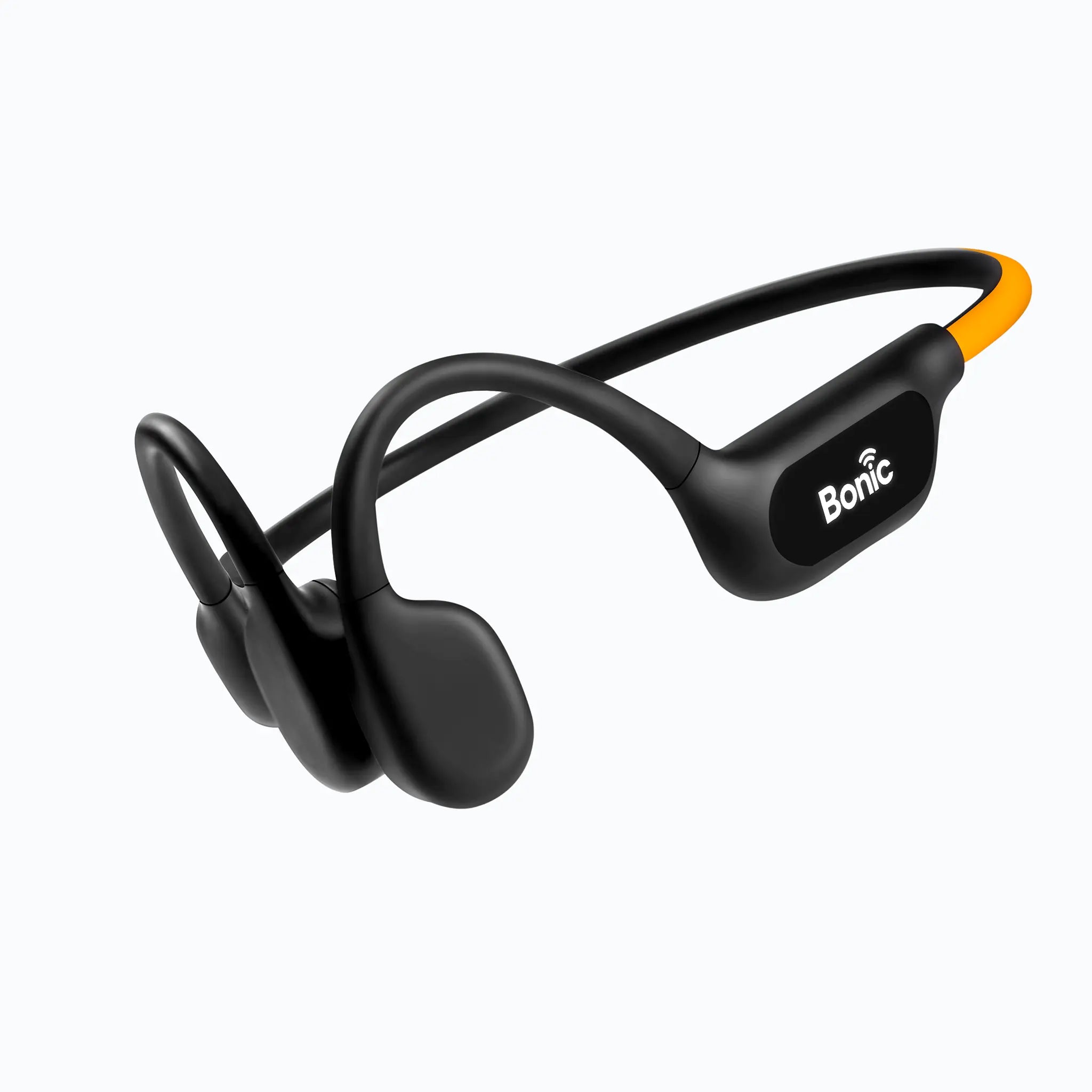
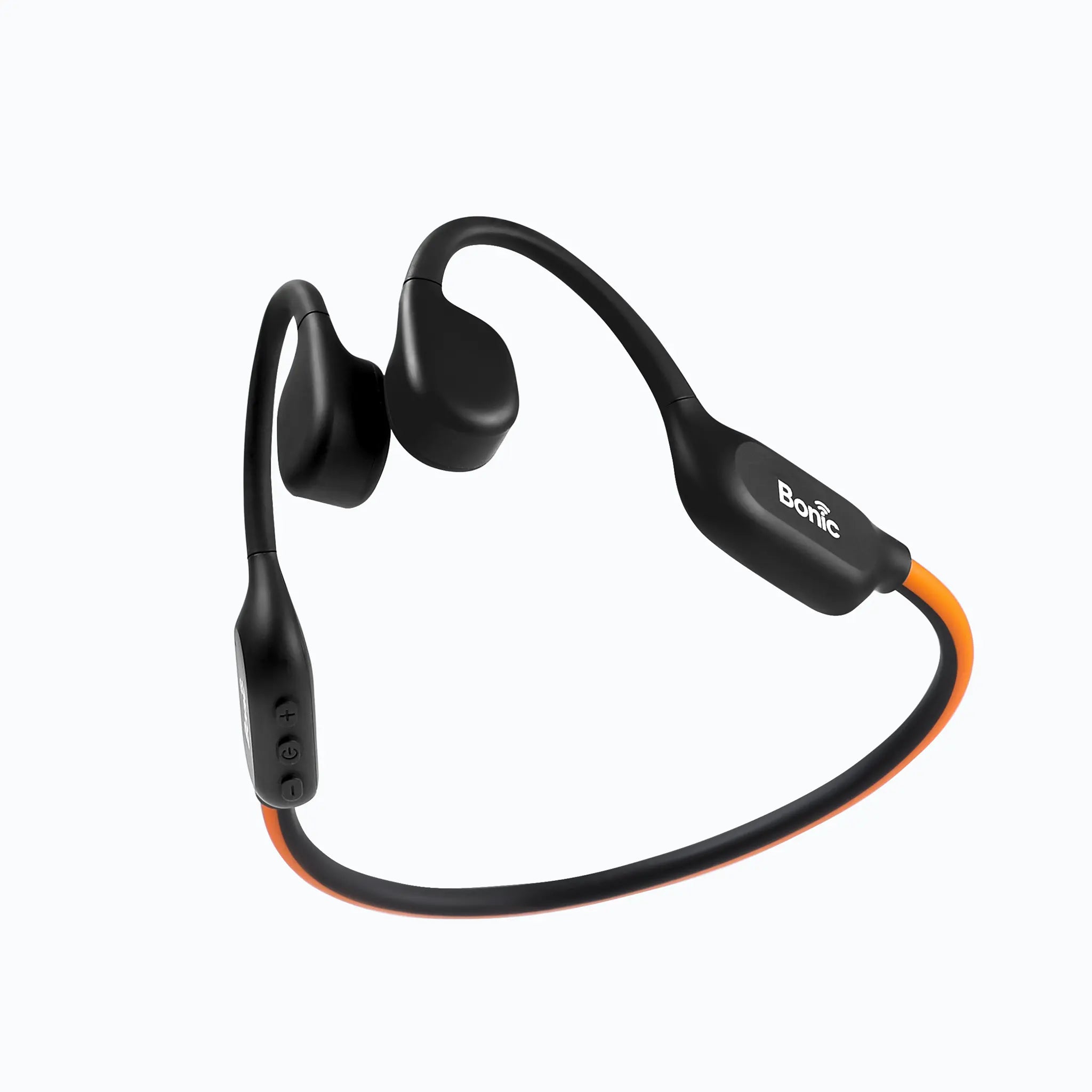
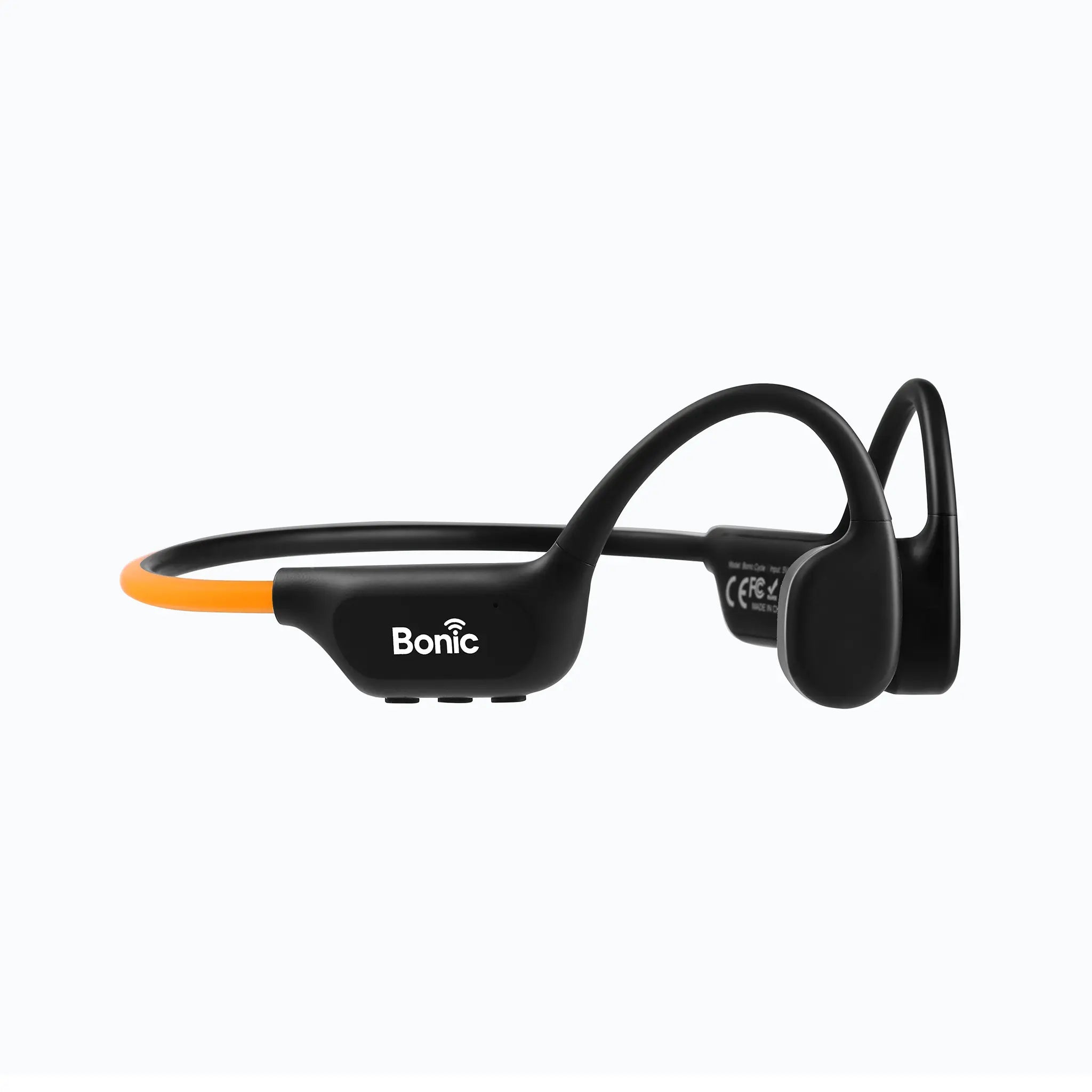
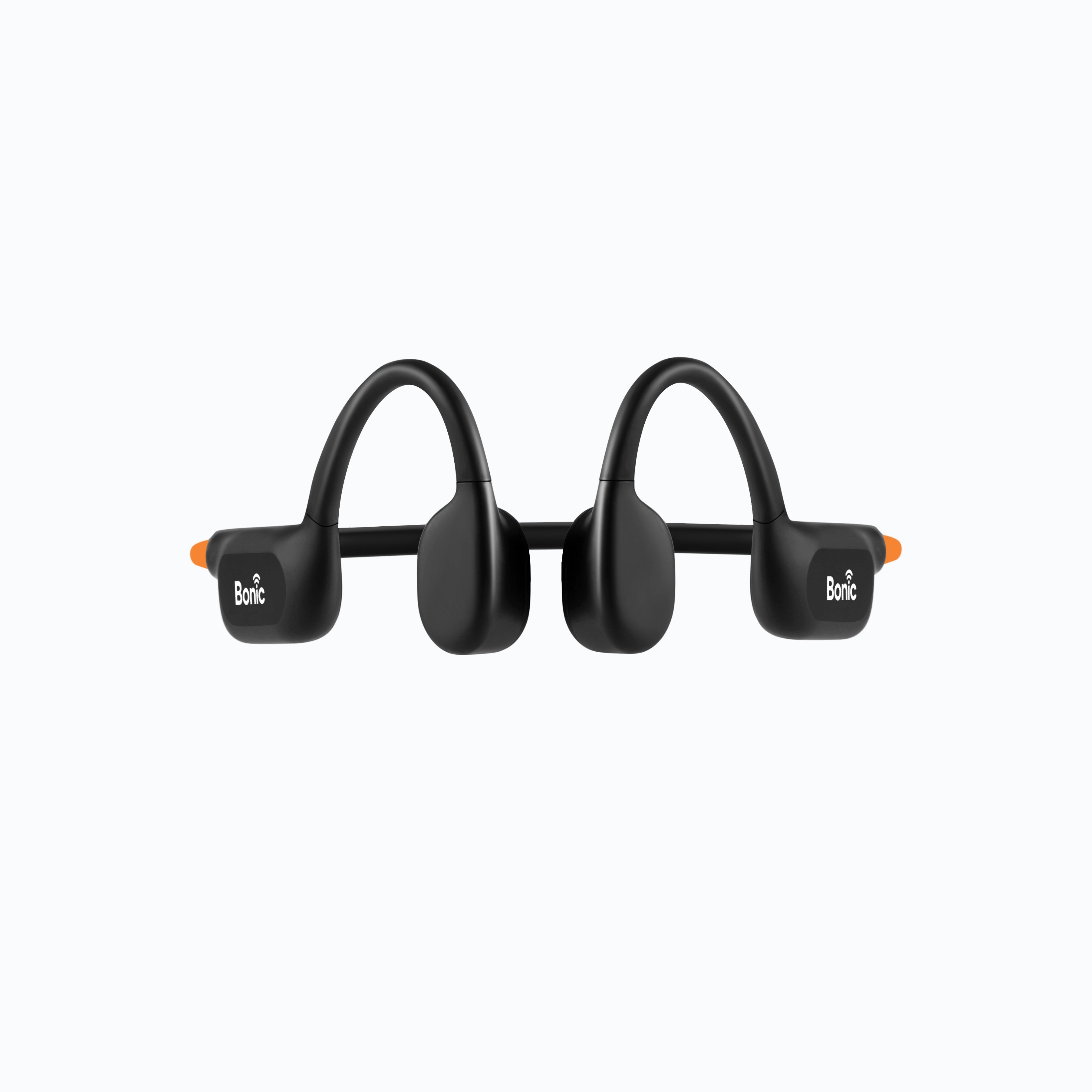
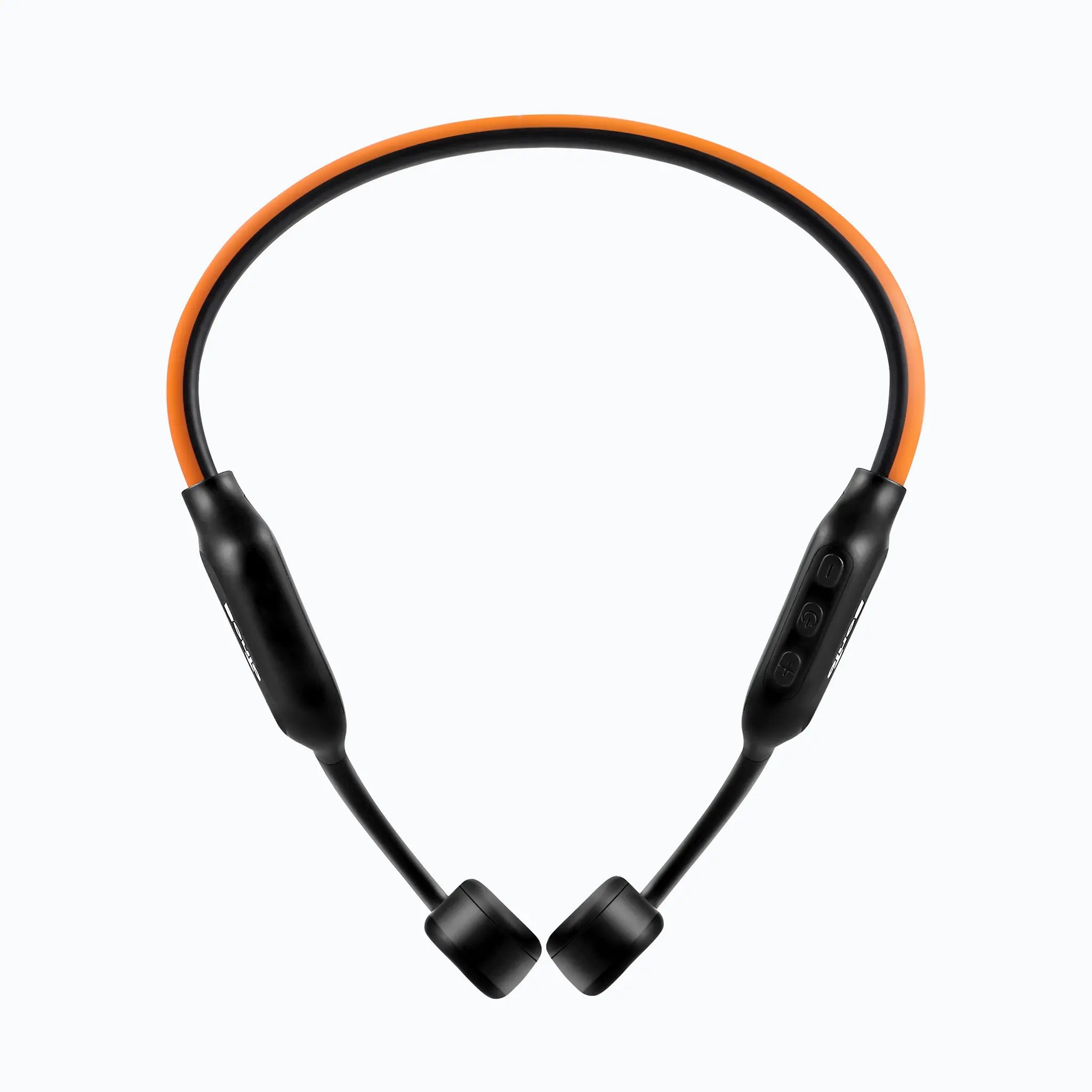
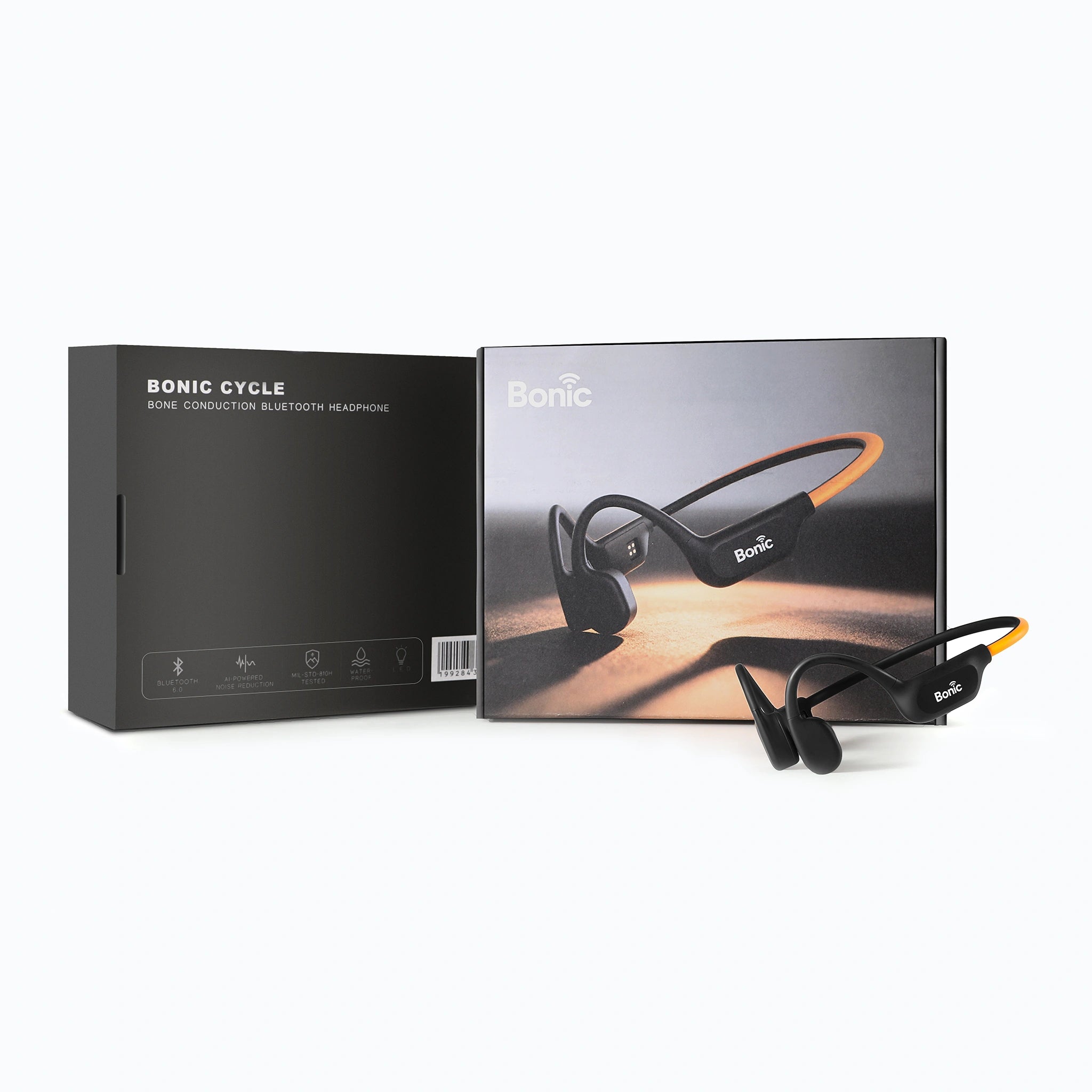
Bonic Cycle
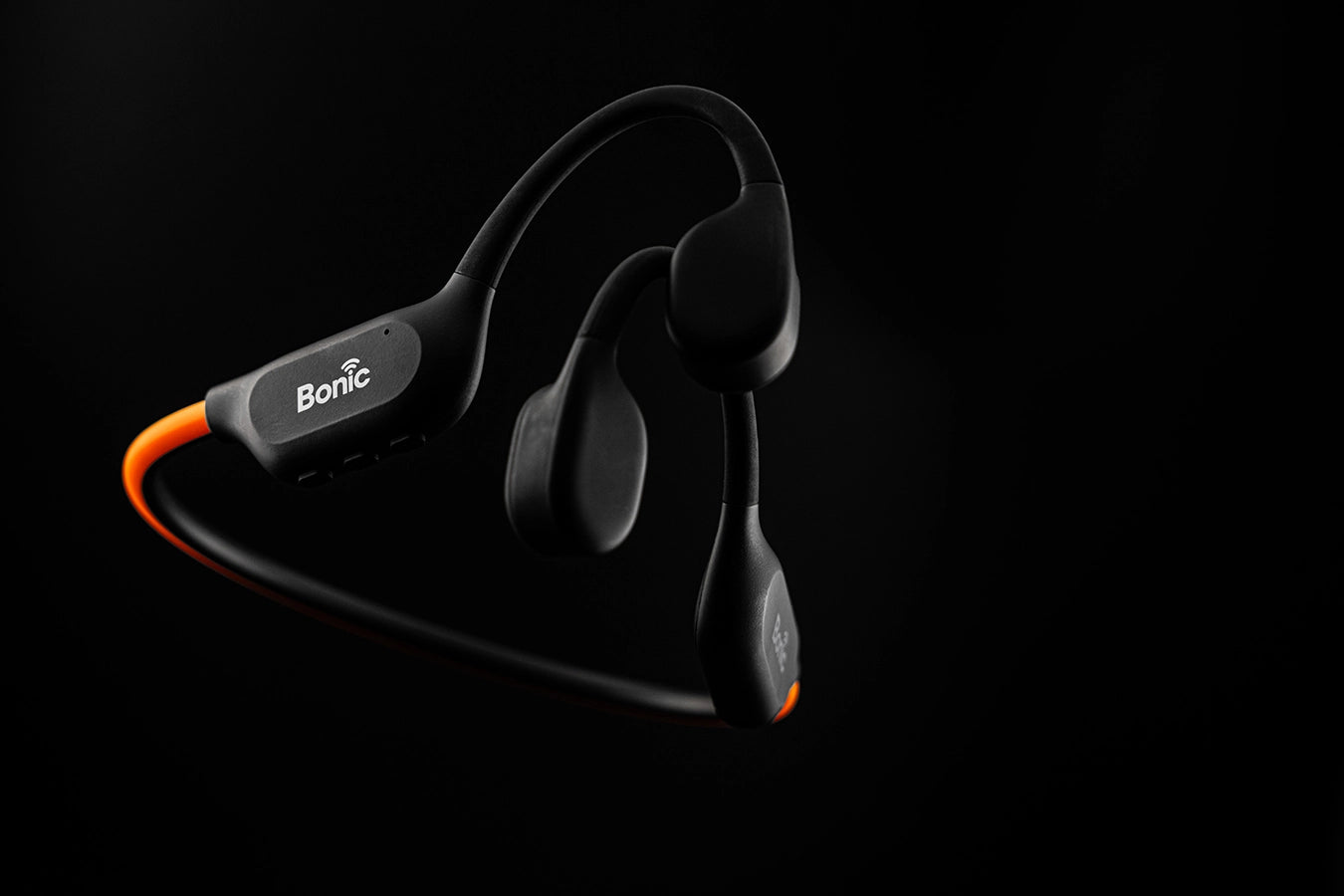
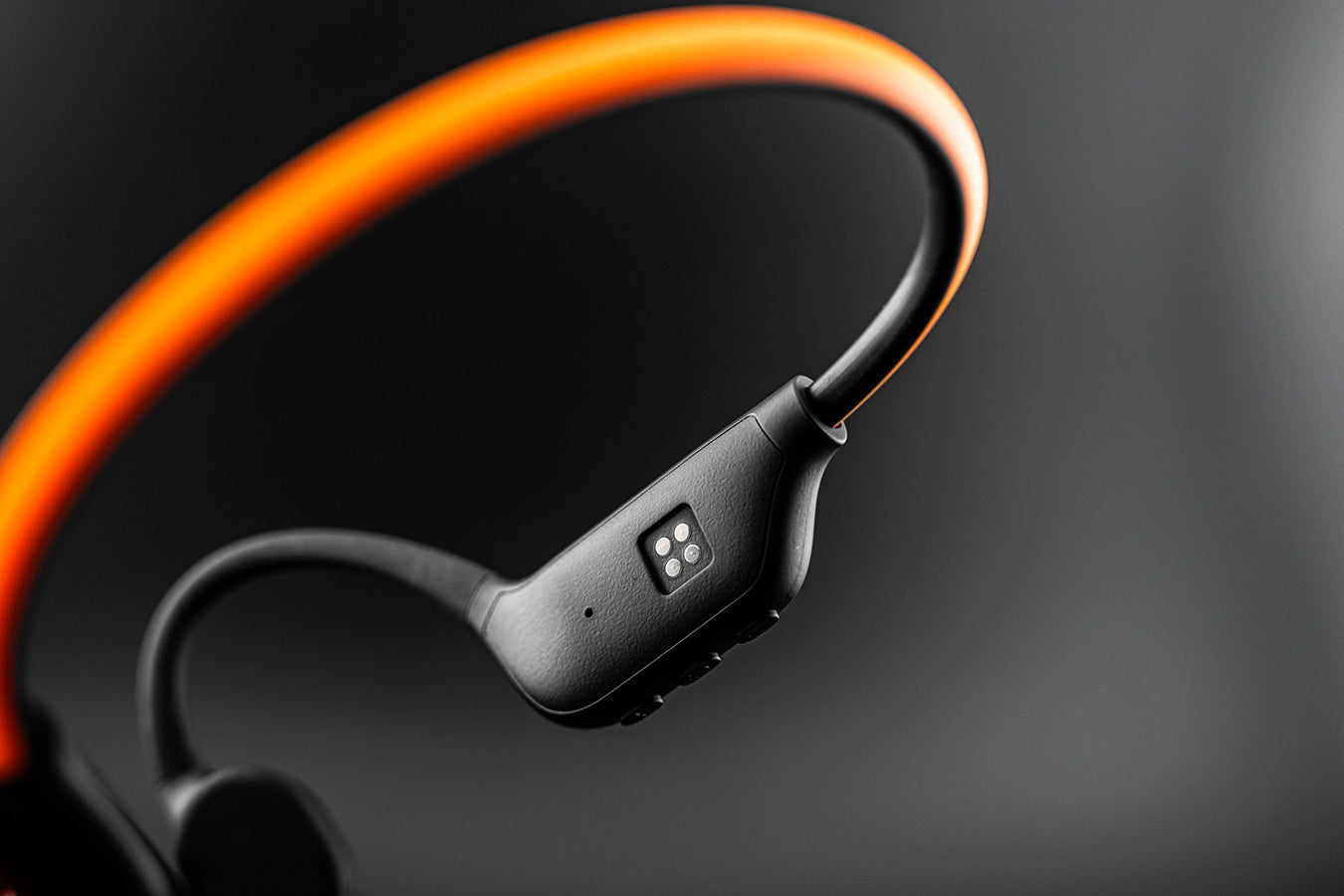
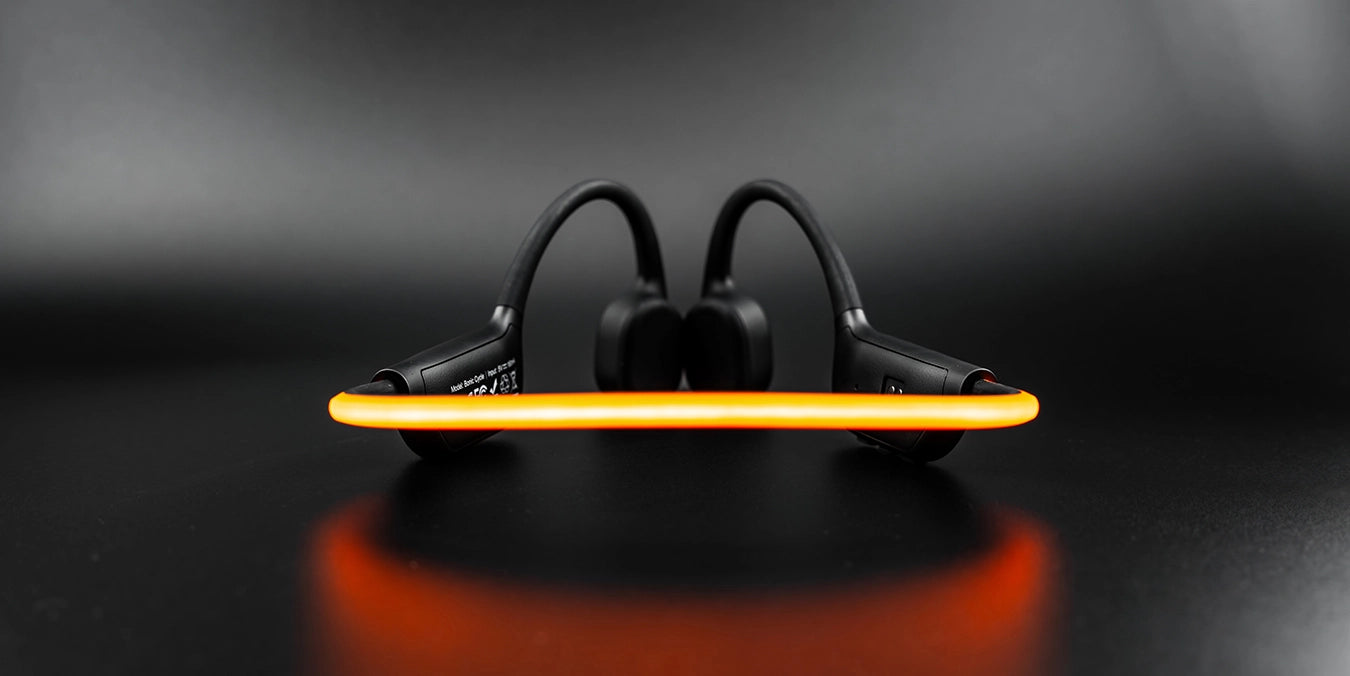
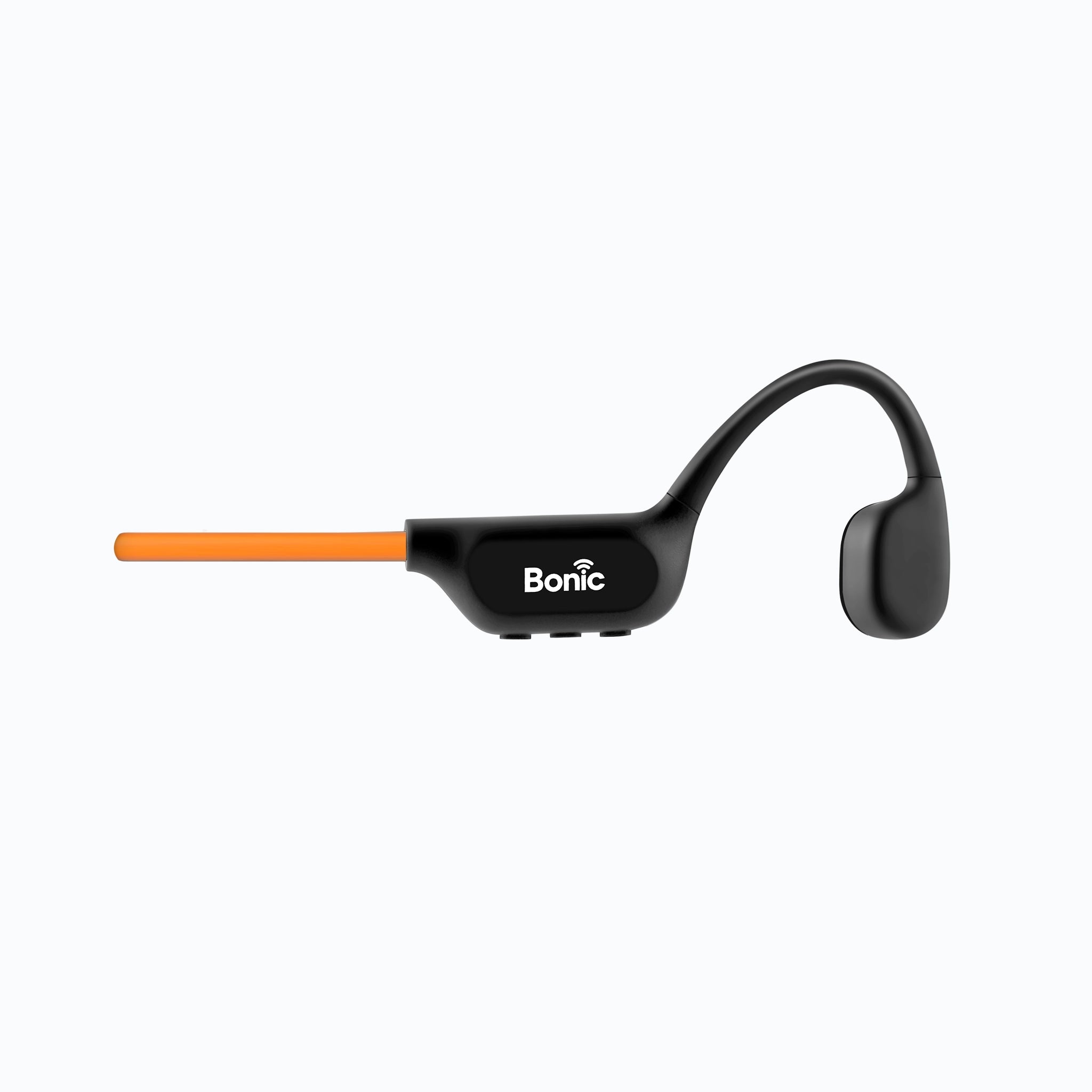
The Bonic Cycle is an open-ear sport headphone with built-in LED visibility, IPX8 waterproofing, and a skin-like silicone fit, designed to keep you heard, safe, and seen on every run. For those seeking the Best Bone Conduction Headphones in USA, Bonic Cycle offers comfort and visibility for active lifestyles.
In stock! Ships within 1-2 business days.
90-day risk-free trial
2-Year Warranty
Complimentary shipping & returns
Shop the Feed
Discover premium audio from our Instagram and shop now.

@Bonic.one


What people
are saying
I like them, I ran with them...I like the fit... I have the smallest ears ever, nothing feels comfortable on them. But, these are so good!

I mainly got them because of the safety light, and I'm all about being lit while out in the dark!

LOVE THEM!! Super lightweight, great sound, open ears. I don't like running with earbuds because I lose situational awareness, and that's very important to me, otherwise I get bad anxiety. With these, my ears are open and I can hear everything around me AND my music at all times.

I really love my Bonic Cycle, I can listen to my music or podcast, while I am working out, and I can still hear what going on around me. Checkout Bonic today!

I’m not a cyclist, but I’m still sold on the light. I walk my two dogs at night, and the Cycle’s rear light adds another layer of “PLEASE DON’T RUN ME OR MY DOGS OVER.” That matters.

How Open-Ear Bone Conduction Works.
The silicone cover doesn't behave like plastic in the cold.
Standard plastic polymers increase in hardness and decrease in flexibility as temperature drops — a property known as glass transition. Below a critical threshold, they become brittle. Silicone's glass transition temperature is so low (-120°C / -184°F) that it never approaches brittle behavior in any real-world outdoor running condition. It stays soft, flexible, and body conforming at -15°C just as it does at +35°C. [2]
IPX8 is a certifiedinternational standard — not a marketing claim.
The IP (Ingress Protection) rating system is defined by the International Electrotechnical Commission standard IEC 60529. IPX8 is the highest water immersion classification — certified by third-party testing at agreed-upon depth and duration. It is not self-reported. Every IPX8-rated product has passed standardized laboratory water submersion testing. [1]
Silicone doesn't degrade under the conditions outdoor running creates.
UV radiation, temperature cycling, ozone exposure, and repeated mechanical flexing are the four primary failure modes for outdoor gear materials. Material studies confirm that silicone retains 85 90% of its mechanical strength after five years of outdoor exposure — compared to 30–60% for standard plastics under the same conditions. The frame you run with on day one performs the same way on year three. [3]
A cleanable headphone is a lasting headphone.
Sweat is corrosive. Salt crystallizes in joints. Sunscreen breaks down seals. Trail dust works into gaps. IPX8 waterproofing means Bonic can be fully rinsed under a tap after every session — flushing salt, sweat, and debris before they accumulate. This isn't just convenience. It's the main reason IPX8-rated outdoor gear consistently outlasts lower-rated alternatives in long-term use.
Silicone vs. plastic: what material science shows
Research into polymer performance in outdoor sports applications shows that silicone-based materials outperform standard plastics across every key outdoor durability metric — cold temperature flexibility, UV resistance, ozone resistance, and long-term mechanical stability. These aren't marginal differences. Studies document plastic cracking rates of 30 40% after five years of outdoor exposure, versus 10–15% for silicone under the same conditions. [3]
For sports equipment that contacts the body in cold conditions, material science further shows that silicone remains skin-soft at temperatures where PVC and ABS plastics have already reached rigid, potentially damaging hardness levels — a property confirmed in controlled comparative outdoor testing of gear materials. [3]

The Headphone That Doesn't Know What Season It Is.
There's a version of outdoor training where you check the weather app before every run and decide whether your gear can handle it. That's the version where you have plastic headphones that might crack at -5°C, or a waterproof rating that doesn't cover being caught in a real downpour.
Bonic is built for the other version — where the weather is just information, not a constraint. Where the run happens regardless, and the gear keeps up.
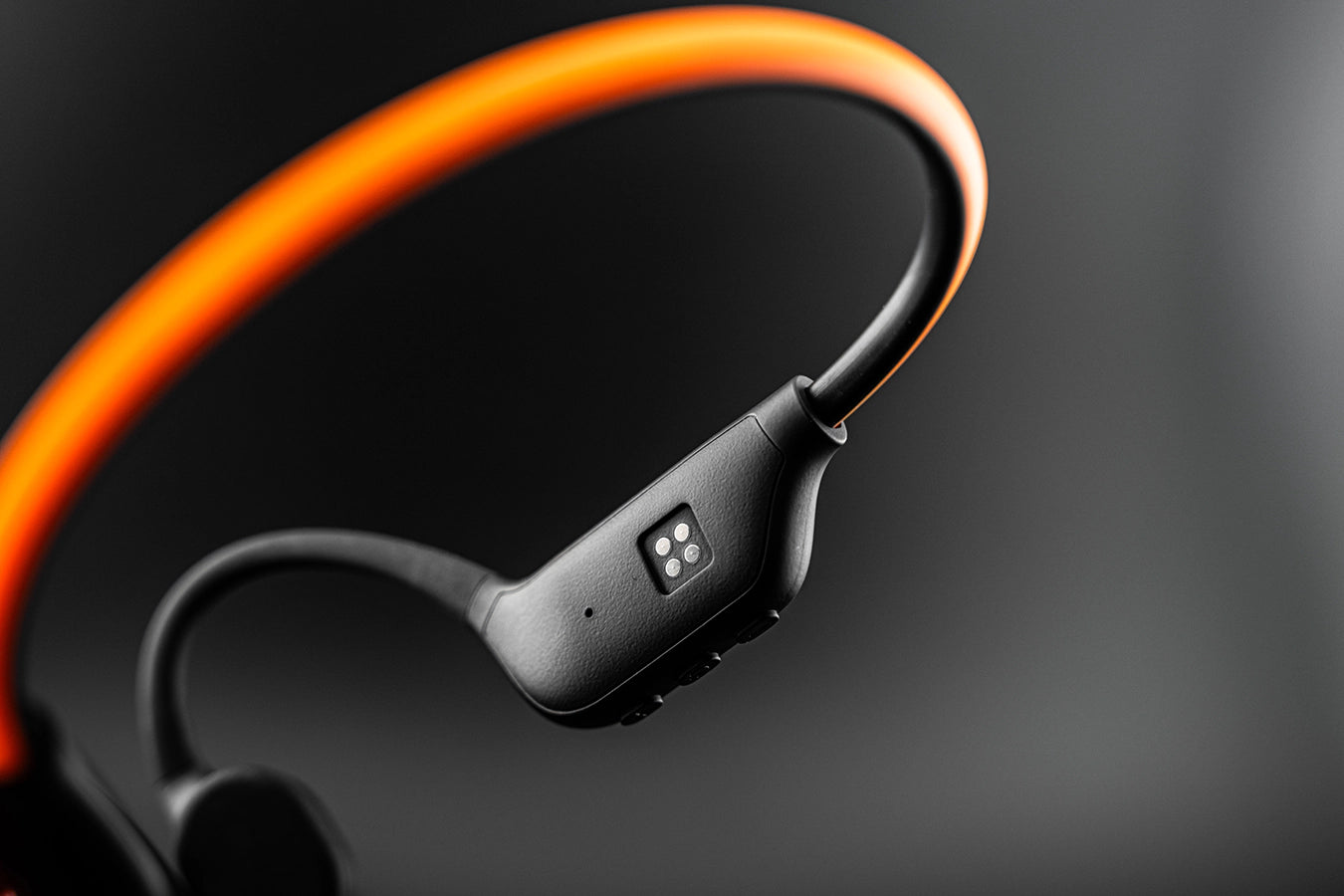
What the material record shows:
• Silicone remains fully flexible at temperatures as low as -65°C (-85°F), while standard plastics become brittle and crack-prone at 0°C and below. [2]
• IPX8 is the only international waterproof classification covering continuous submersion — the only standard that covers swimming, water crossings, and prolonged heavy rain. [1]
• Silicone retains up to 90% of its mechanical strength after five years of outdoor UV and temperature exposure, compared to 30–60% retention for standard plastics over the same period. [3]
• Research into polymer applications in sports equipment confirms that silicone-based materials maintain strength and shape recovery through repeated mechanical flexing — the core stress pattern of headphones worn during running. [4]
• Silicone's UV and ozone resistance means no surface chalking, cracking, or color degradation after extended outdoor use — a common failure mode for plastic headphone frames after one to two seasons of regular outdoor exposure. [3]

Bonic. Open Ears. Open Roads.
The running headphone built around the miles that matter most.